The Studio · True fans · Owning the relationship
Why 1,000 true fans beat a million passive streams
A million people half-listening to a playlist is not the same as a thousand people who care what you do next. The second group is the one that buys the vinyl, wears the T-shirt and turns up to the gig. This is the idea behind “1,000 True Fans”, why it fits independent musicians so well, and how we work with the artists we release to build that kind of following.
“A true fan is defined as a fan that will buy anything you produce.”
Kevin Kelly, “1,000 True Fans” (2008)

Where it comes from
The idea: 1,000 true fans
In 2008 the writer Kevin Kelly, a founding editor of Wired, published an essay called “1,000 True Fans”. His argument was simple: to make a living from creative work, you don’t need millions of fans or a hit. In his words, a musician needs “only thousands of true fans.”
A true fan, as Kelly defines it, is “a fan that will buy anything you produce.” They pre-order the album, buy the vinyl as well as the stream, get the limited edition, travel to see you play and bring a friend next time.
The number itself isn’t magic. Kelly says so: 1,000 is a rough order of magnitude, not a target. The point is that a few thousand people who genuinely care is “a whole lot more feasible to aim for than a million fans”, and it is something an independent artist can build.
Passive streams, direct fans
Why a passive stream and a true fan are not the same thing
Streaming is brilliant for being heard, and every release we do goes out to all the major services. But a stream from someone who met your song on a mood playlist is a very different thing from a stream by someone who went looking for you. The first person may never know your name. The second is already on the way to being a fan.
A small group does a lot of the listening
Spotify’s own fan study found that its most engaged “super listeners” were about 2% of an artist’s monthly listeners but accounted for more than 18% of their monthly streams.
They spend more on music
In US research by Luminate, people who engage with their favourite artists in five or more ways (streaming, social media, merch, physical music, gigs) spent over 80% more on music each month than the average listener.
They buy the physical things
The same research found that people who buy vinyl, CDs or cassettes are more than twice as likely to be superfans. The things you can hold and the people who care most go together.
The Luminate figures are for US listeners in 2023 and the Spotify figure covers artists with 10,000 or more monthly listeners. They show the pattern, not what any one artist will see.
Owning the relationship
Know who your fans are, and be able to reach them
Kelly’s second point is the one most artists miss: you need a direct relationship with your fans. On a streaming service or a social platform, the listener belongs to the platform. It decides who sees your post and who hears your next song, and it can change the rules overnight.
A direct relationship means three things.
An email list people chose to join
A list of fans who have actually opted in to hear from you, not a list of email addresses you happened to collect. In the UK the law says you need that consent before you send marketing emails, and it is also simply what works: people who asked to hear from you open the email.
Your own store
Somewhere fans buy from you directly, next to your music and videos, rather than through a marketplace that keeps the customer. See why merch and your own store matter.
A community
Gigs, session videos, comments, signed editions and the occasional behind-the-scenes clip. The small, regular moments that turn a listener who liked one song into someone who follows everything you do.
The pieces
How everything we do feeds it
None of the things we do for a release is there on its own. Each one moves somebody a step closer: from never having heard of you, to listening, to following, to buying, to telling their friends.
Session films build the connection
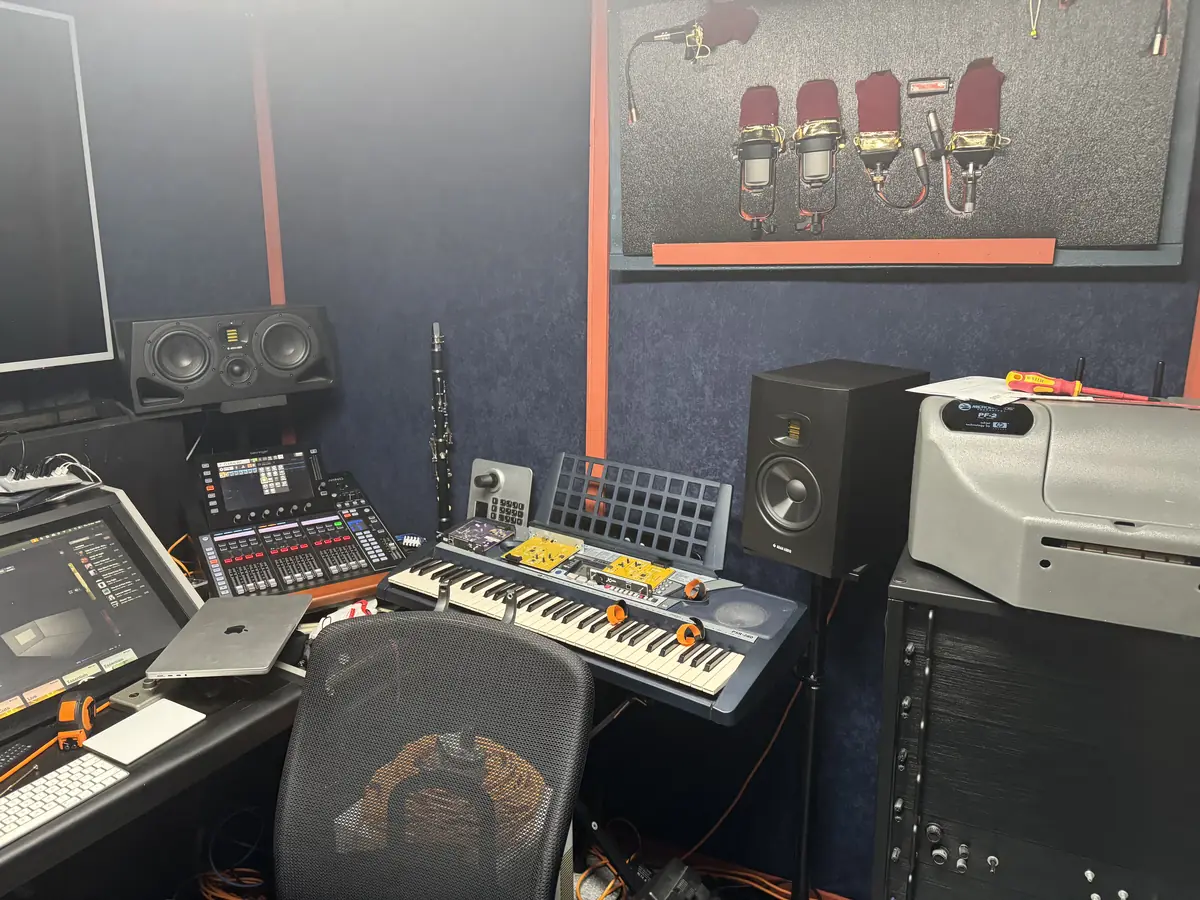
There are cameras in every room, so every session is filmed. People want to see the music being made, and a real performance in a real room is how a stranger starts to feel they know you.
Dolby Atmos gets you discovered
Every release goes out in Dolby Atmos as well as stereo, which makes it eligible for the Spatial Audio playlists that stereo-only songs can’t be considered for.
Vinyl, CD and merch are what true fans buy
A true fan wants something to hold. Vinyl and CD editions, merch, signed and limited editions and bundles give them a way to support you that a stream never can.
Release strategy and ads find the right listeners
A release plan, editorial pitching and advertising built from your session footage put the music in front of people likely to love it, not just anyone.
Everything your music earns, collected
Streams, sales, sync and all the royalties in between. We find and collect what your music earns along the way, so nothing slips through the cracks while you get on with making music.
How we help
How we help build it with you
Building true fans is slow, human work, and it is yours: your music, your voice, your fans. Our job is to do the heavy lifting around it, with you deciding what happens.
Make something worth caring about
Songs recorded properly in a room full of real instruments, filmed while you play, and finished in stereo and Dolby Atmos.
Give people a way in
An artist page and a page for every song, with the videos, a preview and a link to every place to listen, plus a content calendar of clips from your sessions.
Give them something to buy
CD and vinyl editions, merch, bundles and signed or limited editions, sold through your own store on 4chords.studio.
Keep in touch, properly
We help you invite fans onto a mailing list they have opted in to, and plan what to send them around each release, so the relationship is with you, not with a platform.
Find more of the right people
A release plan, pitching and advertising campaigns for each release, with the results fed back into the next one.
You stay in control
Clips wait for your approval before they go out, and nothing is sold, licensed or placed without your written say-so.
Common questions
What is a true fan?
Kevin Kelly, who came up with the idea in his 2008 essay “1,000 True Fans”, defines a true fan as “a fan that will buy anything you produce”: the album, the vinyl, the T-shirt, the ticket and the special edition.
Do I really need exactly 1,000 fans?
No. Kelly himself says the number is not absolute and matters only as a rough order of magnitude. The idea is that a few thousand people who genuinely care is a far more realistic aim than a million casual listeners.
Are streams still worth having?
Yes. Streaming is how most people hear new music, and every release we do goes to all the major services. The difference is what happens next: a true fan is someone who heard a stream and then came looking for more.
What is the difference between a superfan and a true fan?
Mostly the word. “Superfan” is what the music industry and its researchers tend to say now; “true fan” is Kevin Kelly’s term. Both describe the small group of people who engage with an artist in many ways and spend the most on their music.
Can I email people who bought something from my store?
Under UK rules you generally need people to have opted in before you send them marketing emails. There is a narrow exception for existing customers, but only if you offered them a simple way to opt out when you collected their details and in every email. The simplest and most respectful approach is to ask.
Will you guarantee me a number of fans or sales?
No, and be wary of anyone who does. We can make sure the music is made, filmed and released properly and that fans have ways to find you, follow you and buy from you. How many people fall for the songs is down to the music and to time.
Who owns the relationship with my fans?
You do. They are your fans. We help you build the ways to reach them (your store, your artist page, a mailing list they opted into) and nothing goes out in your name without your approval.
Not sure what any of this means? Talk to us. No jargon, no pressure.
Want to build something that lasts?
We work with a small number of independent artists at a time, from the first session to release day and beyond. Tell us about your music.
Sources
Checked on 29 September 2026. Research figures describe listeners in general, not any one artist, so treat them as a snapshot and check the source.
- 1,000 True Fans (4 March 2008) (Kevin Kelly, The Technium)
- 2023 Midyear Music Report (US) (Luminate)
- ‘Super listeners’ make up 2% of artists’ monthly listeners on Spotify, but account for over 18% of monthly streams (Music Business Worldwide, reporting Spotify’s 2023 Fan Study)
- Electronic mail marketing (guide to PECR) (Information Commissioner’s Office)