The Studio · Vinyl · CD · Your store
Why release on vinyl and CD?
Streaming is how most people find your music. A record is how your biggest fans keep it. Vinyl sales have grown every year since 2008, and CD still earns its place at gigs and in some markets. Here is why a physical release is worth doing for an independent artist, and how we make it happen with you.
The numbers
Vinyl has grown every year since 2008
In the UK, vinyl LP sales rose for the 18th year in a row in 2025, up 13.3% to 7.6 million records, according to the BPI’s analysis of Official Charts data. That is more than 30 times the size of the market when it started growing again in 2008.
The money tells the same story. UK vinyl revenue rose 19.9% to £174.7 million in 2025, and vinyl now makes up almost two thirds of everything spent on physical music. Physical sales as a whole have grown for three years running.
It isn’t just a British thing. In the US, vinyl passed a billion dollars in 2025 after 19 years of growth, and worldwide vinyl revenue rose 13.7%.
Who buys it
The people who want something to hold
Almost nobody buys a record instead of streaming. They stream the song, love it, and then buy the record to own a piece of it. That is why vinyl works alongside streaming rather than against it.
Fans who want the real thing
The listeners who go furthest for an artist buy physical music and merch. Industry researchers even use buying records and merch as one of the signs of a superfan. A record on the shelf says “I was here early” in a way a playlist never does.
Younger buyers, not just collectors
Record collectors are still there, but UK retailers say growing demand from millennials is behind the rise in independent record shops, and US research finds the people buying vinyl straight from artists are mostly Gen Z and millennials.
Gig-goers
Vinyl buyers go to gigs. US research finds people who buy records direct from artists spend a third more on concerts than the average vinyl buyer, and a signed record from the merch table is the souvenir of the night.
People who may never play it
Plenty of records are bought to frame, collect or keep sealed, as much as to play. That is fine. The point is that a fan wanted a copy of your music to keep.
Vinyl mastering
A vinyl master is not a streaming master
A record is cut by a needle into a spinning lacquer, and the groove has physical limits a file doesn’t. Sending your streaming master to be pressed is the most common way an independent record ends up sounding worse than the stream. So we make a separate master for vinyl.
Less squashed
Streaming masters are often pushed loud with heavy limiting. On vinyl, level costs groove space and can distort, so the vinyl master keeps more of the natural dynamics. Many people find it sounds better for it.
Bass in the centre
Deep bass that moves between the left and right channels makes the needle move up and down as well as side to side, which can make it jump. We keep the low end centred so the record plays safely.
Tamed top end
Harsh “s” sounds and very bright cymbals are hard to cut and to play back cleanly, so we control them without dulling the mix.
Side length and running order
The longer a side, the quieter and less bassy it has to be. As a rule of thumb, around 18 to 22 minutes a side suits a 12-inch album, and quieter songs sit better near the centre, where the groove holds less detail. We plan the running order with you around that.
CD has its own master too: the finished, fully checked version with the track order, gaps between songs and track information in place, ready for the pressing.
Formats and editions
Editions that give fans a reason to buy now
A physical release is also a chance to make something special. Small runs mean you can make each one feel like an event.
Coloured vinyl
Colours, splatters and clear vinyl look great on a shelf and in a photo. Some listeners find coloured pressings slightly noisier than black, so we often pair a colour variant with a black edition.
Limited and numbered runs
A numbered run of a few hundred copies turns a record into something fans don’t want to miss, and you only press what you expect to sell.
Signed copies
Signed sleeves, inserts or test pressings cost you an afternoon and mean a lot to the person who buys one.
Special editions
Gatefold sleeves, lyric books, prints and 7-inch singles. We are also planning an Atmos Edition box: the record, plus a binaural version of the Dolby Atmos mix to download, so fans hear the immersive mix on any pair of headphones.
New to immersive mixes? Read why we release in Dolby Atmos.
CD
Why CD still earns its place
CD isn’t growing like vinyl, but it isn’t going away either. UK CD revenue actually rose 3.1% in 2025 to £99.6 million, its best year since 2021.
At gigs
CDs are light, quick to sign and easy to carry to every show. For a fan who has just seen you play, a CD is the easiest way to take the night home.
In some markets
Physical music is still huge in parts of the world. Asia is the largest region for physical music sales, with Japan, the world’s second-biggest music market, at its heart.
For press and radio
Some reviewers, local radio stations and venues still like a CD in the post. A finished disc in a proper sleeve shows you mean it.
In the car
Plenty of people still have a CD player in the car, and a CD is a gift someone can actually play.
Selling it
Bundles in your own store
More and more fans buy records straight from the artist: direct to fan, or D2C. In the US, direct sales from artists’ and labels’ own stores made up 13.6% of all physical albums sold in 2025, up from the year before, and for the albums that reached the US chart they were the biggest channel in release week.
Your artist page on 4chords.studio has a store for exactly this, next to your music and your videos.
Bundles
Pair the record or CD with a T-shirt, a print or a tote, and include the download so fans can listen straight away.
Pre-orders
Open pre-orders before release day, so fans can commit early and you can see how many to press.
Signed and limited stock
Signed copies and numbered editions live in your store and sell out there, not on a marketplace.
How we do it
Mastered here, pressed properly, sold in your store
For the artists we work with, the physical release is part of the plan from the first session. We handle the maze of cutting, pressing and printing; you make the decisions, and nothing is made without your say-so.
It is part of how we work with artists at the studio; the Pricing page explains how that partnership works.
Masters for vinyl and CD
We master for vinyl and for CD here, separately from the streaming master, and plan the sides and running order with you.
Artwork
Sleeve, labels, inserts and the store images, designed with you and prepared to the printer’s specifications so nothing gets rejected at the last minute.
Pressing
We arrange the cutting and pressing and check the test pressing before the run is made, and you hear it too. Pressing often takes a few months, so we build it into the release plan and rollout.
Your store and your gigs
The records and CDs go into your store on 4chords.studio, as editions and bundles, with stock set aside for your merch table.

Common questions
Is vinyl still growing?
Yes. UK vinyl LP sales rose for the 18th year in a row in 2025, up 13.3% to 7.6 million (Official Charts data analysed by the BPI), and BPI figures show vinyl revenue rose 19.9% to £174.7 million.
Who buys vinyl?
Mostly fans who already stream the music and want to own it. Collectors are still there, but UK retailers point to growing demand from millennials, and US research finds that people buying vinyl directly from artists are mostly Gen Z and millennials, and go to more gigs than the average vinyl buyer.
Can I use my streaming master for vinyl?
It is not a good idea. Streaming masters are usually made loud with heavy limiting, which can distort or force a quieter cut on vinyl. A vinyl master keeps more dynamics, centres the bass and controls harsh top end, so the record cuts and plays cleanly.
What is the difference between vinyl mastering and streaming mastering?
A streaming master is a file made for loudness-matched playback on phones and speakers. A vinyl master is made for a groove cut by a needle: it respects the physical limits on level, low bass, harsh high frequencies and side length, and it is planned around the running order of each side.
How long can each side of a record be?
As a rule of thumb, about 18 to 22 minutes a side for a 12-inch album played at 33⅓ rpm. Longer sides are possible but have to be cut quieter and with less bass, so we plan the running order with you.
Does coloured vinyl sound worse?
Some listeners find coloured and picture discs slightly noisier than black vinyl. For most music and most fans it is a small difference, and a colour edition alongside a black one gives everyone what they want.
Is CD worth doing in 2026?
Often, yes. UK CD revenue rose 3.1% in 2025 to its best level since 2021, CDs are easy to sell and sign at gigs, some press and radio still like them, and physical formats are still big in parts of Asia.
Can I sell my records and CDs in my own store?
Yes. Every artist we work with has a store on their artist page on 4chords.studio for records, CDs, merch, bundles, signed items and special editions. Fans buying straight from artists is a growing share of physical sales.
Do you arrange vinyl pressing for independent artists in the UK?
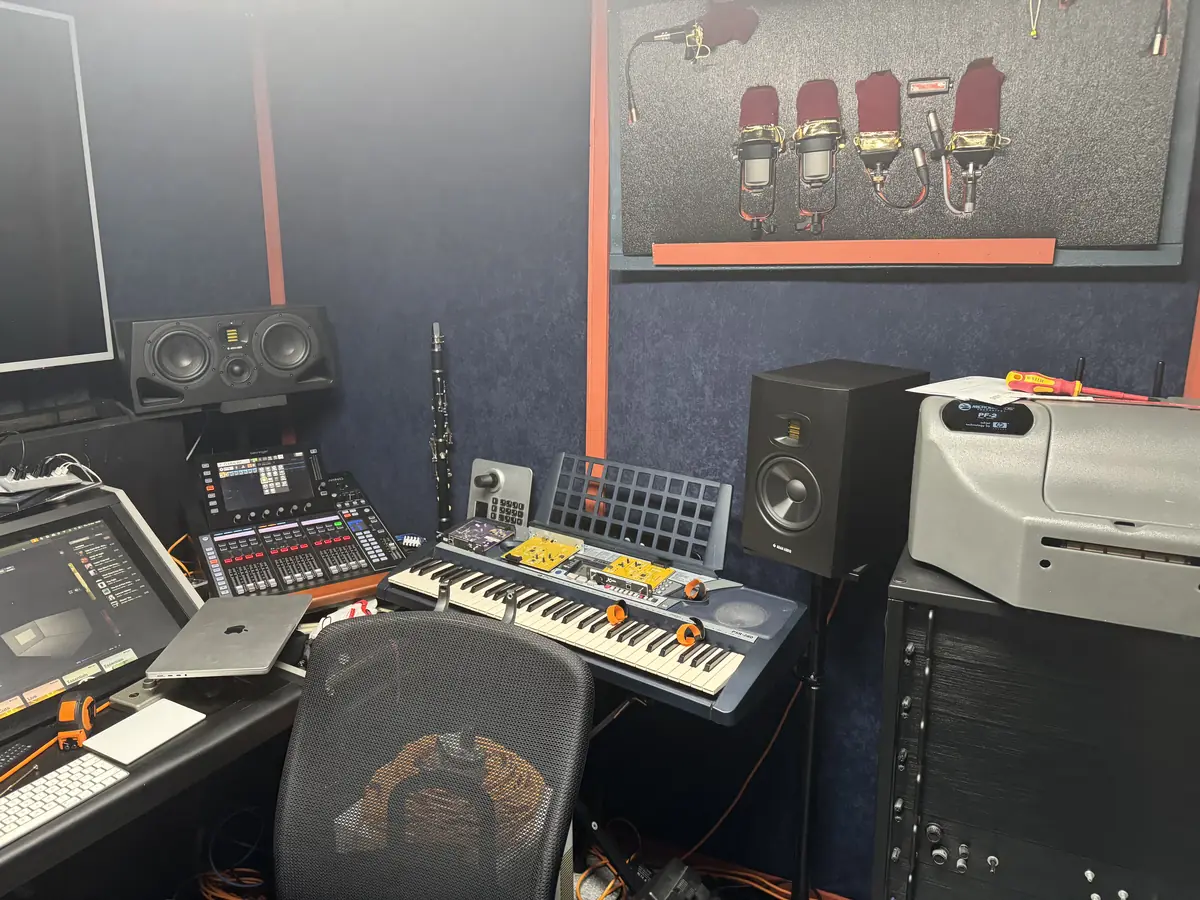
Yes, for the artists we record and release. We master for vinyl and CD in our own control room, prepare the artwork with you, arrange the pressing, check the test pressing, and put the finished records into your store. Share one to three tracks with us to start a conversation.
Not sure what any of this means? Talk to us. No jargon, no pressure.
Want your next release on vinyl?
We work with a small number of independent artists at a time, from the first session to the record in a fan’s hands. Tell us about your music.
Sources
Checked on 29 September 2026. Platforms change their programmes, so treat anything here as a snapshot and check the source.
- A new wave of global British breakthrough talent helps UK recorded music grow for an 11th consecutive year in 2025 (31 December 2025) (BPI, from Official Charts Company data)
- New generation of British artists helped UK recorded music market in 2025 surpass £1.5 billion in annual revenue for the first time (12 March 2026) (BPI)
- The Official best-selling vinyl albums and singles of 2025 (31 December 2025) (Official Charts Company)
- ERA publishes 26th annual yearbook (4 March 2026) (Entertainment Retailers Association (ERA))
- 2025 Year-End Music Industry Revenue Report (16 March 2026) (RIAA)
- 2025 Year-End Music Report (January 2026, US data) (Luminate)
- Global Music Report 2026 (18 March 2026) (IFPI)